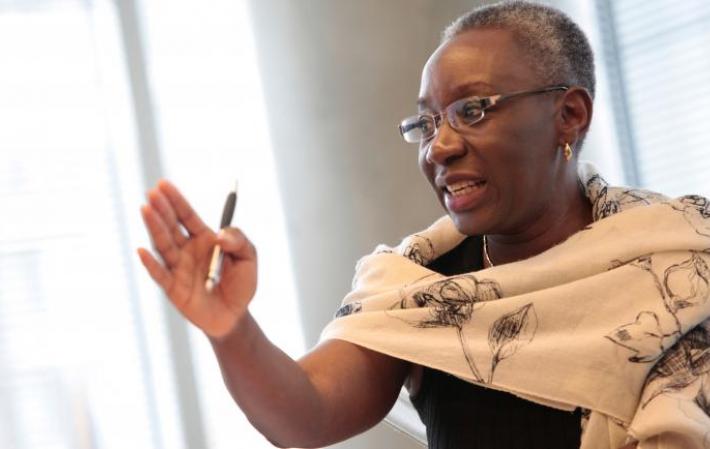
Sandra Pepera, Senior Associate and Director for NDI's Gender, Women and Democracy team.

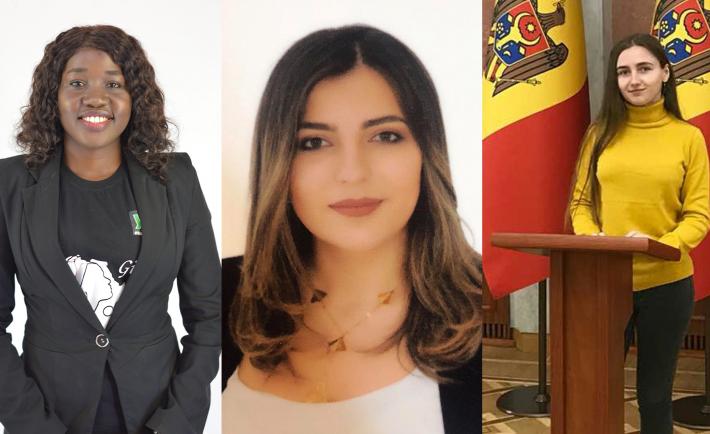
Podcast Participants; Given Kapolyo, Rafka Noufal, Selina Dicusar.
To celebrate International Youth Day 2020 Rachel Mims, Senior Program Officer for Youth Political Participation at NDI, is joined by three young leaders from Zambia, Lebanon, and Moldova. They discuss competitive youth debate as an opportunity to build political skills, actively contribute to solving social problems, and create greater space for youth inclusion in public life. For more information please go to https://www.ndi.org/youth-leading-debate
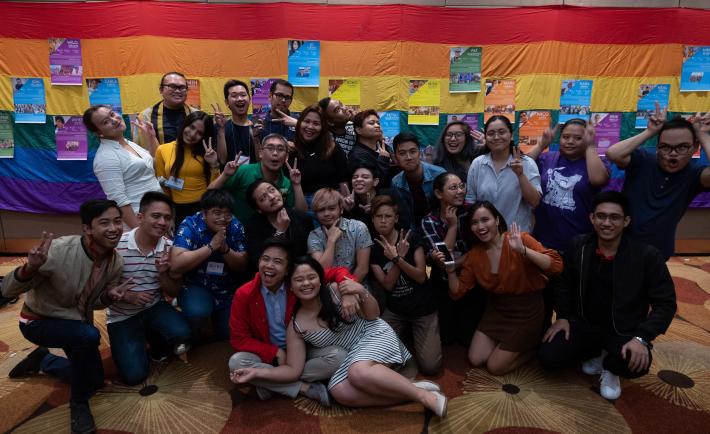
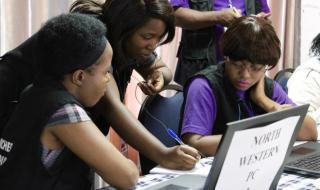
Rainbow Rights Paralegal Training
Navigating challenging and complex civic spaces is nothing new for local organizations working to advance the rights and inclusion of LGBTI communities. Join NDI Senior Program Officer for Citizen Participation for a conversation with three partners from across the globe working to sustain their advocacy for equality and inclusion, while tackling some of the unprecedented challenges posed by the COVID-19 pandemic.
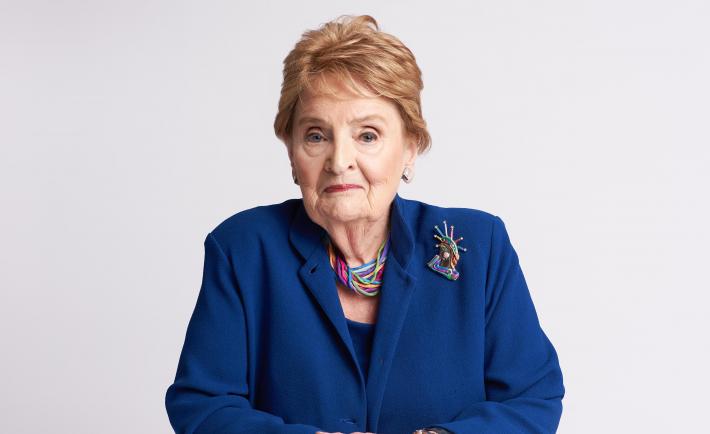
NDI Board Chairman Secretary Madeleine Albright
NDI President Derek Mitchell and NDI Board Chairman Secretary Madeleine Albright talk about her new book Hell and Other Destinations, and her experiences as Secretary of State. She reflects on U.S. foreign policy, democratic trends, and her hopes for the future.
This podcast was recorded May 27, 2020, prior to demonstrations in support of racial equality across the United States.
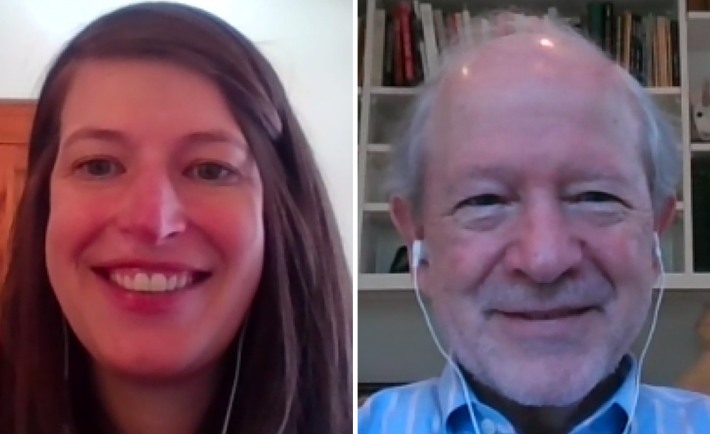
Many countries with scheduled elections this year face a difficult choice in the midst of the COVID-19 pandemic: how to balance public health considerations with holding a free and fair election. Learn more from NDI Senior Associate and Director of Electoral Programs Pat Merloe and Program Director Julia Brothers as they talk about democratic back-sliding during this crisis, electoral integrity, and ways civil society organizations can still make a difference.
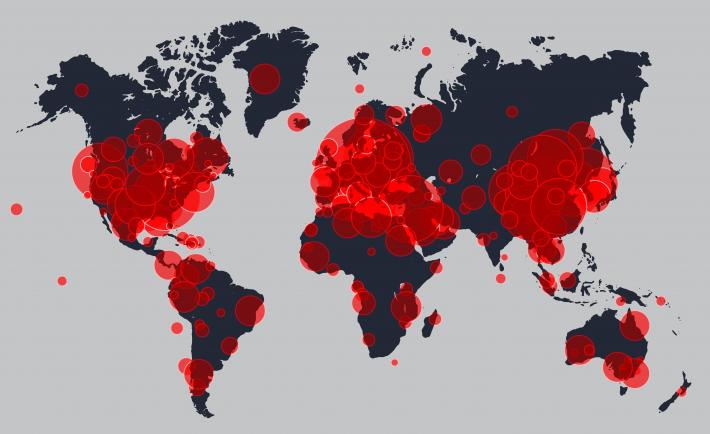
World map of Coronavirus (Covid-19)
As much as COVID-19 is a health and economic crisis, at its core, it is also a governance crisis.
NDI President Derek Mitchell and new Director of Democratic Governance Kristen Sample delve into ways governments and the international community have risen (or not) to meet the challenges of the COVID-19 pandemic.
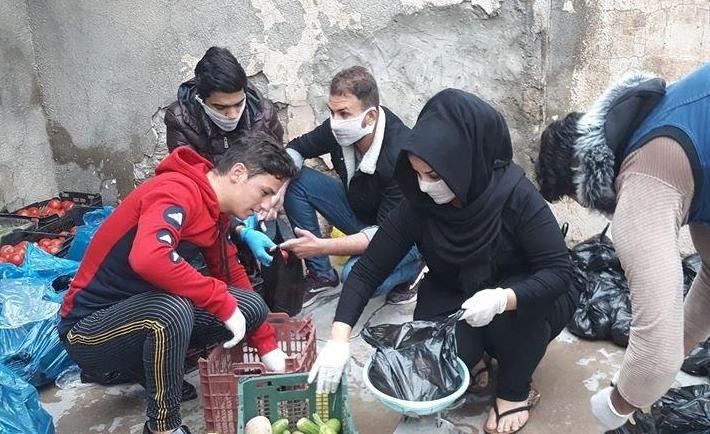
Women participating in NDI's National Reconciliation Program prepare food baskets in Kirkuk to help their community cope with movement restrictions taken in response to COVID-19
Health epidemics have a multilayered, long-standing impact on society as a whole, and an inordinate impact on women.
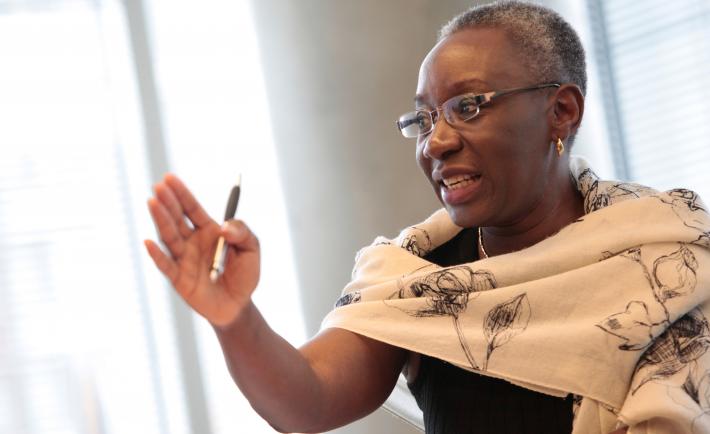
Sandra Pepera, Senior Associate and Director for NDI's Gender, Women and Democracy team.
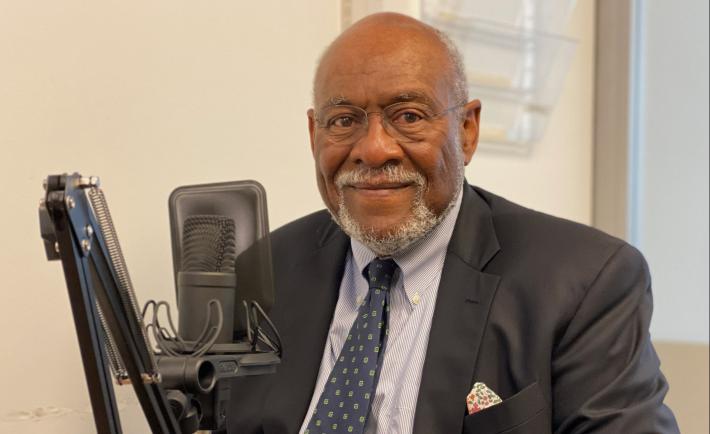
Ambassador Johnnie Carson
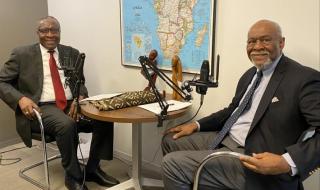
NDI’s Chris Fomunyoh is once again joined by Ambassador Johnnie Carson as they discuss the steps that can be taken to strengthen democracy. They continue their conversation with their thoughts on the key challenges and opportunities facing Africa this year.
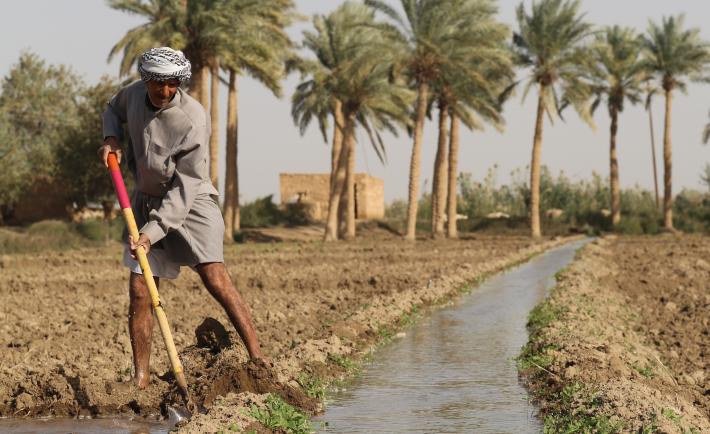
Credit: Ibrahim Naji
In fragile states, democracy needs, even more, strengthening in times of pandemics as citizens and institutions are exposed to increased vulnerabilities. In some cases incipient dialogue and reconciliation networks may break down as social groups turn inward as a self-protection reflex, cultural barriers might exclude women and other marginalized groups from receiving healthcare, and armed groups might exploit the situation to increase their influence.
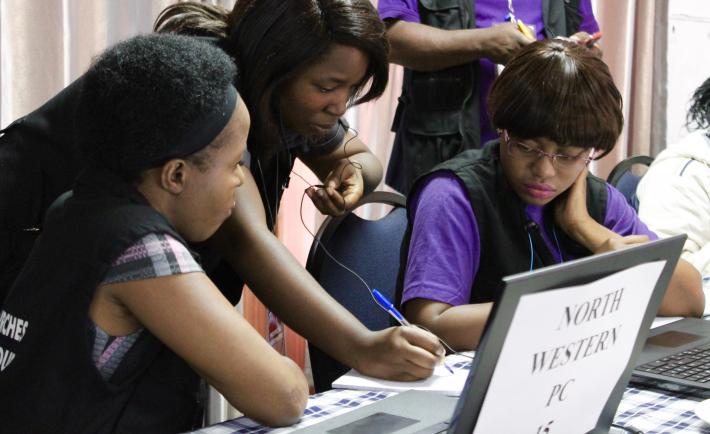
Women in Zambia during the 2016 General Elections.
It is hard to overstate the impact of digital transformation on democracies and the daily lives of citizens around the world. The developing world is coming online at an extraordinary pace; there are places in which NDI works that are receiving the most significant innovation of the 20th century – electrification – at the same time as that of the 21st – instant global communications. Past technology revolutions such as the printing press or broadcast media have transformed democracy and politics in rapid, profound, and hard to anticipate ways.